How is Tea Leaves Refined?
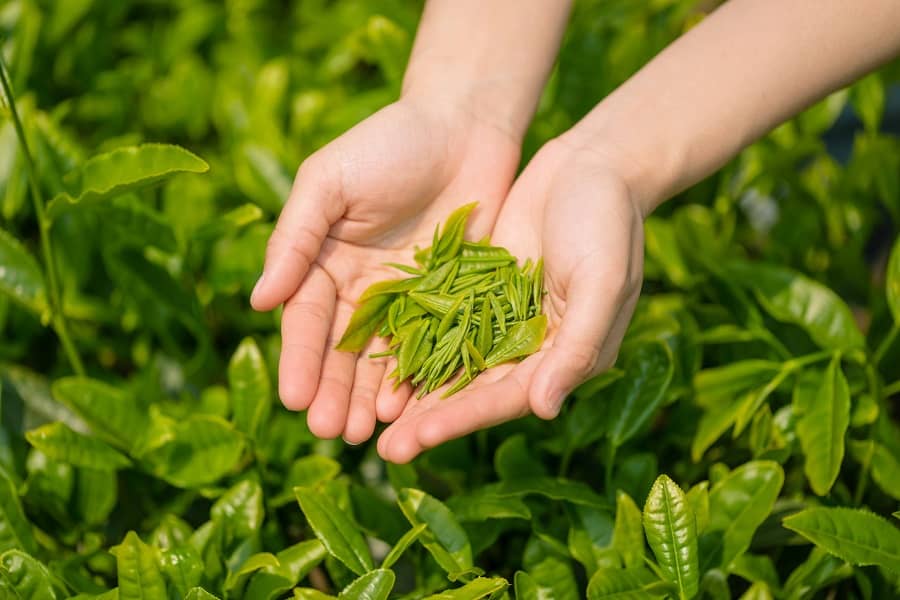
Tea leaves go through a refining process before being packaged and sold. Usually, the refined of tea goes through five stages: Withering, Rolling, Oxidation, Drying and Sorting & Grading.
Tea history dates back over 4,000 years, making it one of the oldest beverages in the world. Legend has it that tea was discovered in 2737 BCE by the Chinese Emperor, Shen Nong. According to the story, some tea leaves accidentally fell into his pot of boiling water, creating a pleasant aroma and taste, which led to the discovery of tea. Tea became an integral part of Chinese culture and was initially consumed for its medicinal properties. It was later embraced for its refreshing taste and stimulating effects. During the Tang Dynasty (618-907 CE), tea drinking gained popularity, and tea houses became common social gathering places.
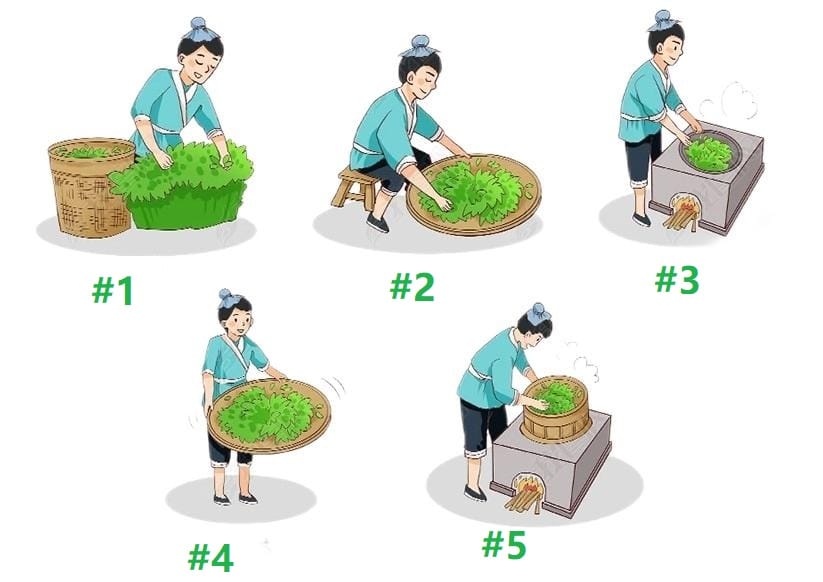
Ancient tea processing involved several steps:
Plucking: Tea leaves were carefully handpicked from tea bushes. Young, tender leaves were preferred as they produced higher-quality tea.
- Withering: The freshly plucked leaves were spread out and left to wither for a few hours. This process reduced moisture content and helped in developing the tea’s flavor.
- Fixing: The withered leaves were then heated, usually in a large wok or pan, to stop oxidation. This step was crucial in retaining the tea’s natural flavors and preventing the leaves from turning black.
- Rolling: The heated leaves were rolled to shape them into desirable forms, such as tightly curled balls or twisted strands. Rolling also helped in breaking down the leaf’s cell structure and releasing its aromatic oils.
- Oxidation: Some types of tea required controlled oxidation to develop specific flavors. For example, black tea underwent a longer oxidation process, while green tea was minimally oxidized.
- Drying: The rolled or oxidized leaves were dried to remove any remaining moisture. Drying was typically done in the sun or using fire, depending on the tea type.
- Sorting and packaging: After drying, the tea leaves were sorted based on quality, size, and appearance. They were then packaged in various ways, including loose leaf form or compressed into bricks or cakes for long-term storage and transportation.
It is important to note that tea processing techniques have evolved over time, and different tea varieties require specific processing methods. Traditional Chinese tea making is still practiced today, alongside modern manufacturing techniques that allow for mass production.
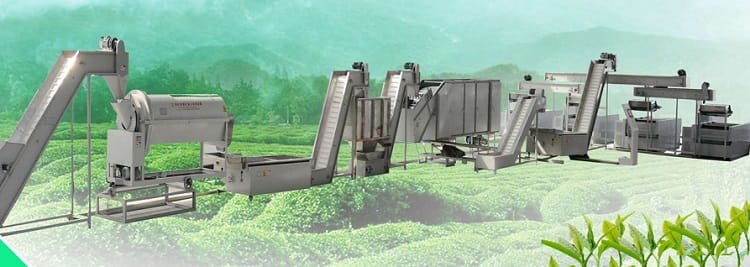
Modern manufacturing technology in tea production
Modern manufacturing technology has revolutionized the tea industry, making tea production more efficient and consistent. Here are some key aspects of modern manufacturing technology in tea production:
- Automated Processing: Tea leaves are harvested by machines, which ensures faster and more precise picking. This reduces the chances of damage to the leaves and increases productivity.
- Withering: Withering, the process of removing moisture from freshly plucked tea leaves, has become more advanced with the use of computer-controlled withering chambers. These chambers provide controlled airflow and temperature, ensuring consistent withering across batches of tea leaves.
- Rolling and Shaping: Tea leaves are rolled or shaped to release enzymes and initiate oxidation. Modern tea factories use mechanical rollers that mimic hand rolling techniques. These rollers ensure uniformity in the shape and size of the leaves, resulting in a more consistent flavor profile.
- Fermentation/Oxidation: Controlled fermentation or oxidation is crucial for certain types of teas like black tea and oolong tea. Modern fermentation chambers provide precise temperature and humidity control, enhancing consistency in the oxidation process.
- Drying: Tea leaves are dried to remove any remaining moisture, prevent spoilage, and enhance shelf life. Modern drying machines use hot air or infrared radiation to quickly and evenly dry the tea leaves, reducing the chances of mold or bacterial growth.
- Sorting and Grading: Advanced electronic sorting machines are used to separate tea leaves based on size, color, and quality. These machines can quickly analyze and classify tea leaves into different grades, ensuring consistency and quality control.
- Packaging: Modern packaging technology ensures that tea is stored in airtight and environmentally friendly containers. Vacuum-sealed packaging helps to maintain the freshness and quality of the tea, while eco-friendly materials are used to reduce environmental impact.
Overall, modern manufacturing technology has significantly improved tea production by increasing efficiency, consistency, and quality control. These advancements have helped the tea industry meet the rising demand for tea globally while maintaining the integrity and unique characteristics of different tea varieties.
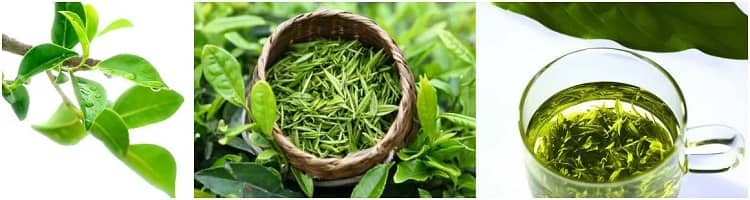
The Five Stages of Refined Tea Leaves
🍀 Step One – Withering:
The freshly plucked tea leaves are spread out over large trays and left to wither for a period of time. During this process, the leaves lose some of their moisture and become soft and pliable.
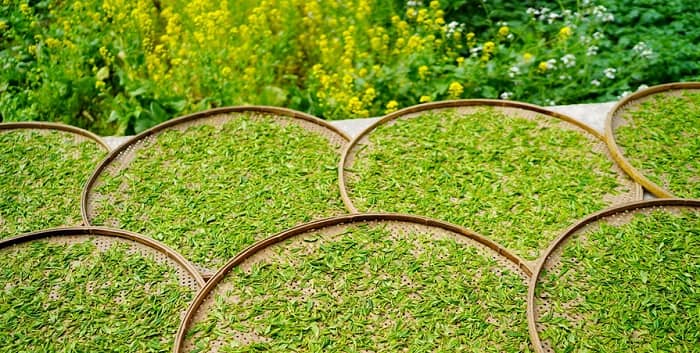
🍀 Step Tow – Rolling:
After withering, the tea leaves go through a rolling process. This involves rolling the leaves in a large rolling machine, which helps to break down the cell walls and release the natural juices inside the leaves.
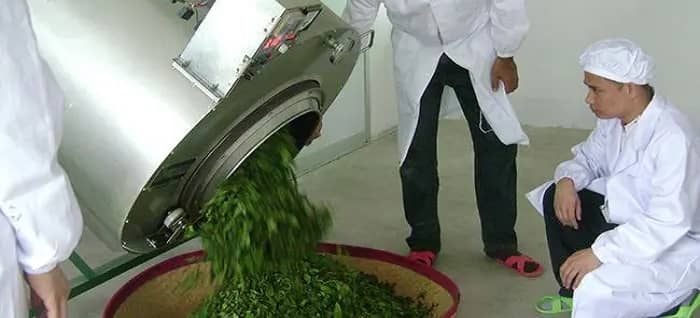
🍀 Step Three – Oxidation:
The next step is oxidation, also known as fermentation. The rolled leaves are spread out on large trays and left to oxidize for a specific period of time, depending on the type of tea being produced. During this process, enzymes in the tea leaves react with oxygen, causing the leaves to darken and develop their unique flavor and aroma.
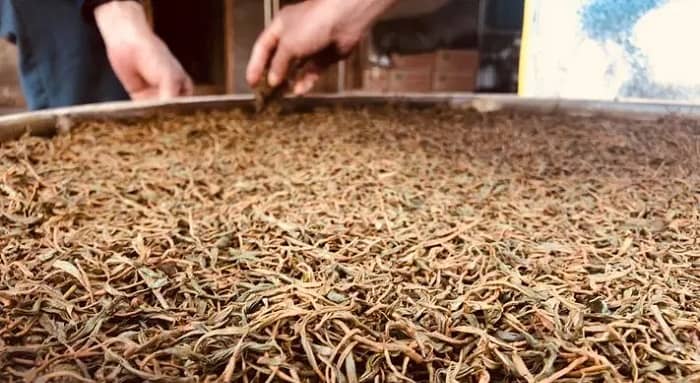
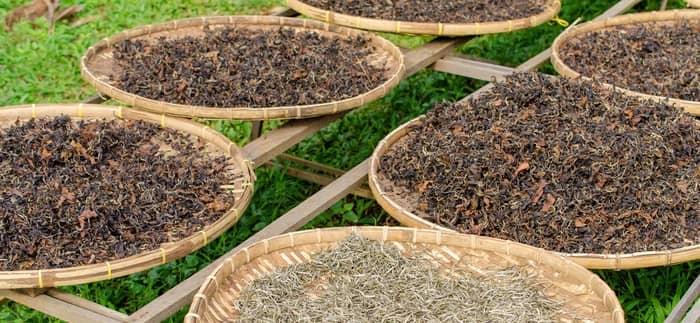
🍀 Step Four – Drying:
Once the desired level of oxidation has been reached, the tea leaves go through a drying process. This involves drying the leaves in large ovens or in the sun, depending on the traditional method of production. The purpose of this step is to remove any remaining moisture and preserve the flavor and aroma of the tea.
🍀 Step Five – Sorting and Grading:
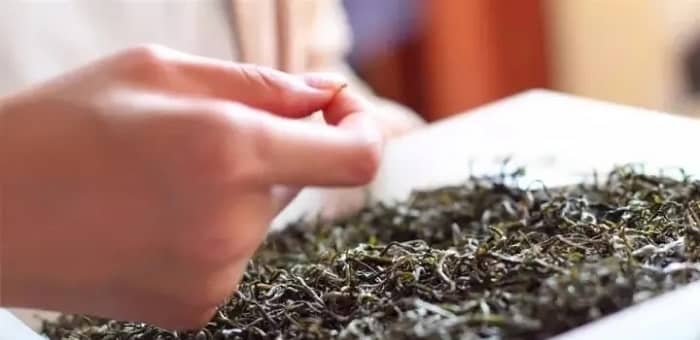
After drying, the tea leaves are sorted and graded according to size, color, and quality. The highest-quality tea leaves are often reserved for loose-leaf tea, while lower-grade leaves may be used for tea bags.
In summary, refining tea leaves involves a series of steps, including withering, rolling, oxidation, drying, and sorting. These steps are crucial in developing the unique flavor, aroma, and quality of different types of tea.
Youtube Video about: How Raw Tea Leaves are Transformed into the 6 Major Tea Types
How is black tea refined?
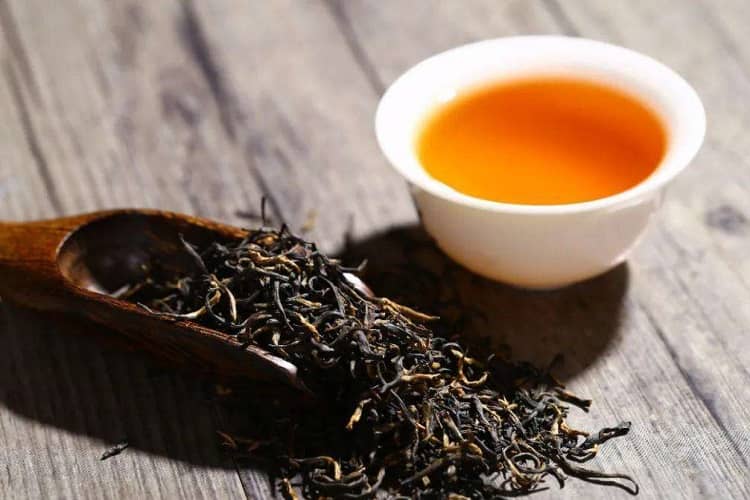
Black tea belongs to fermented tea. During the fermentation process, black tea undergoes a chemical reaction centered on the enzymatic oxidation of tea polyphenols. The chemical composition in fresh leaves changes significantly, reducing tea polyphenols by more than 90% and producing new components such as theaflavins and thearubigins. Therefore, fermentation is the most important processing step for black tea.
The production process of black tea
- Picking: Collect and prepare on site to maintain the active ingredients of fresh leaves.
- Withered tone: Sun the harvested fresh leaves on a fresh mat and cool them in the sunlight until the color is dark green.
- Kneading and twisting: Manually knead the withered leaves into strips and moderately knead to produce tea juice.
- Fermentation: Place the rolled leaves in a wooden bucket or bamboo basket, apply pressure, cover them with a damp cloth, and let them cool in the sunlight, emitting a tea aroma. This is the wet green tea. Fermentation is a unique stage in the production of black tea, which is the key to determining the quality of Qi black tea. The fermentation room temperature is controlled below 30 degrees Celsius, and after the fermentation leaves turn red, the quality characteristics of Qi black tea black leaf red soup are formed.
- Drying: Soak the wet green body in the sun and bake it over charcoal fire on cloudy and rainy days until it is 50% or 60% dry, commonly known as Maocha.
- Screening: The tea is divided into three geographical areas: the big tea room, the lower body room, and the tail room. The entire process involves sieving more than ten different types of tea to produce each top tea.
- Picking and picking: Hand pick and remove light pieces, fragments, yellow pieces, tea stems, and impurities from the screened tea of various sizes.
- Packaging: After all the processes are completed, the outer part is packed in wooden boxes and the inner part is sealed with tin foil.
Key steps in refining black tea
Fermentation is a process in which enzymes in tea continuously promote the oxidation of polyphenols, causing the tea to turn from green to red, while forming a large number of different aromatic substances to lay the foundation for the aroma of black tea.
After withering and rolling, the tea leaves are still green, but slightly reddish. Stack it in a fermentation tray (such as a bamboo basket), cover it with a damp fermentation cloth, and place it in a warm fermentation room. The temperature of the fermentation room is generally maintained at 25-30 ℃ and the relative humidity is above 90%, allowing it to have a comfortable “sauna bath”.
During this period, the biological enzymes in tea begin to work hard, converting polyphenols into theaflavins, thearubigins, etc., making the tea blush. So after the fermentation is completed, the leaf color becomes yellow red; Those that ferment well will also have a ripe apple aroma.
The above is the production process of black tea. Overall, although the production of black tea may seem simple, every step is indispensable, and the most important step is fermentation, which determines the quality of black tea!
How is green tea refined?
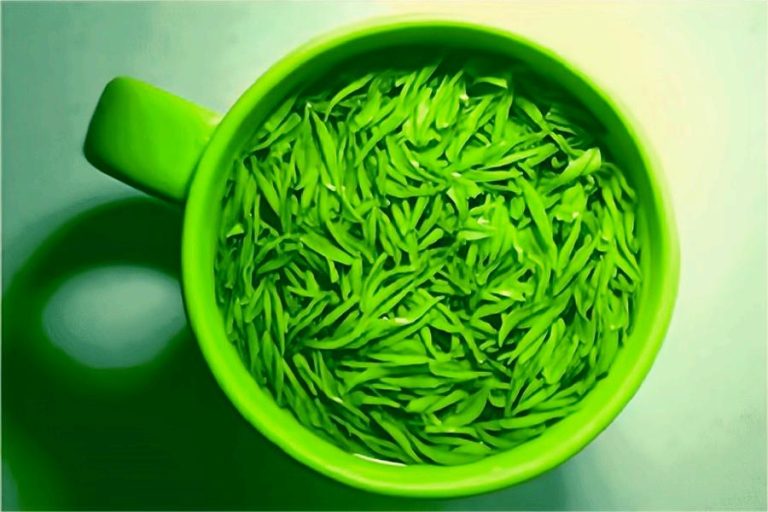
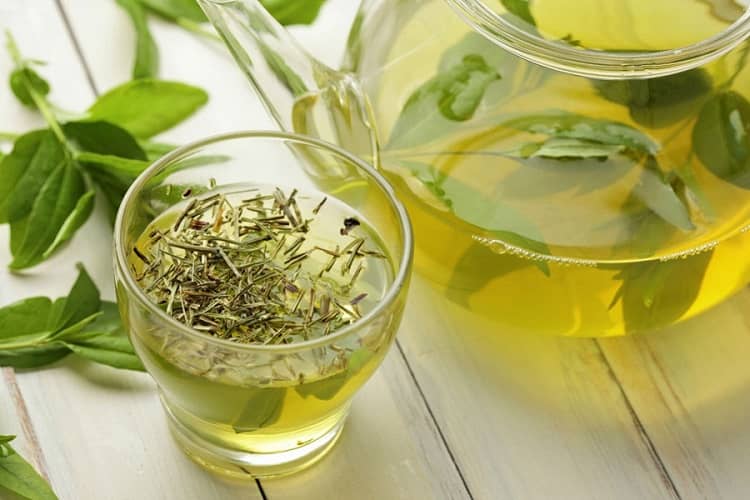
Green tea is a type of tea that we are all familiar with. It is a tea that has not undergone any fermentation, so its tea soup is generally green or light yellow. The tea aroma is more natural, relatively fresh, and tastes like a spring breeze. Here we would like to specially recommend ‘Harney & Sons Organic Green Tea with Coconut and Ginger‘.
Green tea goes through several steps of refinement before it is packaged and sold. The basic steps of green tea refinement include:
- Withering – Freshly picked tea leaves are spread out to dry and wilt for several hours, which removes some of the moisture from the leaves.
- Rolling – Next, the withered leaves are rolled and rubbed until they begin to break down and release their natural juices.
- Oxidation – After rolling, the leaves are allowed to oxidize for a period of time. This step is what makes green tea different from other teas such as black tea, which is fully oxidized. Oxidation can be stopped by heating the leaves in a pan or steaming them.
- Drying – The oxidized leaves are then dried to prevent any further oxidation.
- Sorting – Finally, the dried leaves are sorted and packaged for commercial use.
The exact method of refinement can vary depending on the region, the quality of the tea, and the intended flavor profile of the finished tea product.
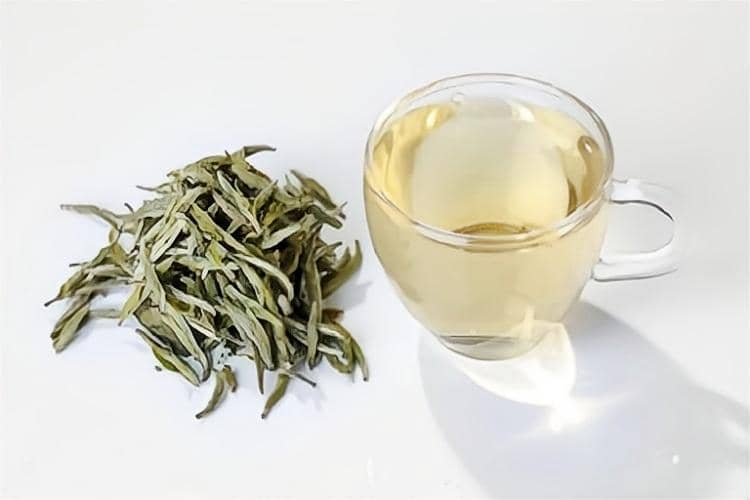
How is white tea refined?
White tea is produced through a similar refinement process to green tea. However, the differences in the plant variety, and how the leaves are harvested and processed, result in a different taste profile.
The basic steps involved in the production of white tea are as follows:
- Harvesting – White tea is made from the youngest leaves and buds of the tea plant, which are picked in early spring before they fully open.
- Withering – The freshly picked leaves and buds are spread out in a single layer on a flat surface and left to dry in the sun or in a well-ventilated indoor space for one to three days. This process removes moisture from the leaves, making them pliable.
- Drying – Next, the withered leaves and buds are then carefully baked or fried to stop the oxidation process and lock in the flavors.
- Sorting – Finally, the leaves are sorted by size and packed for sale.
The key difference between white and green tea is that white tea is made from young leaves and buds, whereas green tea can be produced using more mature leaves. This, along with differences in processing, gives white tea its lighter color, delicate flavor, and subtle sweetness, making it a popular choice among tea connoisseurs.
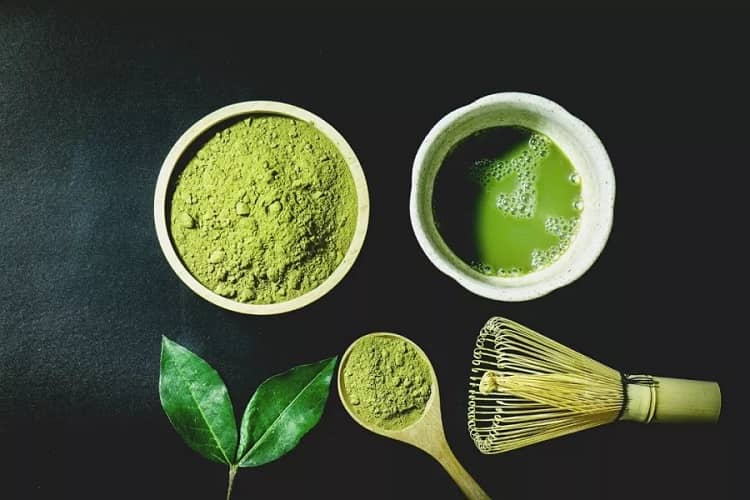
How is Matcha refined?
Matcha is a type of green tea that is finely ground into a powder and traditionally used in Japanese tea ceremonies. The process of refining matcha tea involves the following steps:
- Shade Grown: The tea plants are carefully shade-grown for about three weeks prior to harvesting. The tea bushes are covered to protect them from direct sunlight which slows down their growth, stimulates the production of chlorophyll, and increases the amino acid content in the tea leaves.
- Picking and Sorting: The tea leaves are hand-picked, sorted, and only the youngest, most tender leaves are used for making matcha.
- Steaming: The leaves are steamed for about 30 seconds to stop the oxidation process and maintain their green color.
- Drying and Grinding: The leaves are then dried and ground into a fine powder using traditional stone mills. The process can take several hours and requires a lot of skill.
- Sieving: The matcha powder is sieved through a fine mesh to remove any larger particles and create an ultra-fine powder.
- Packaging: The matcha powder is carefully packaged to protect it from light and moisture.
To make matcha, you whisk the powder with hot water using a bamboo whisk. The result is a frothy, bright green tea with a mild, slightly sweet flavor. You can learn about Uji Matcha, a well-known matcha brand.
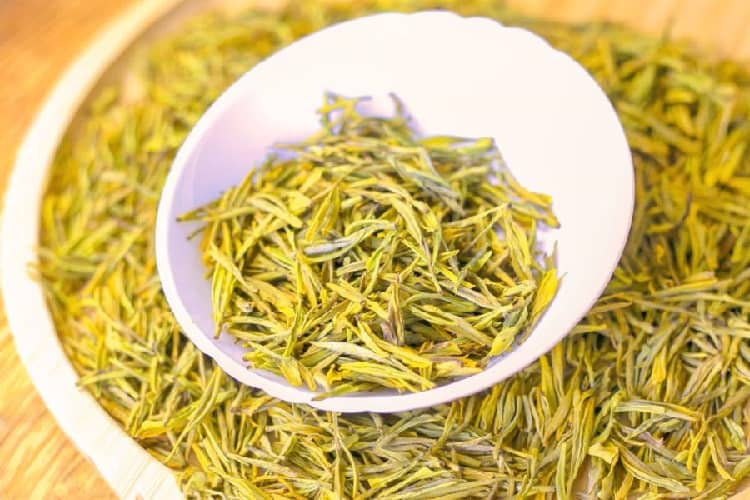
How is yellow tea refined?
Yellow tea is a rare and highly prized tea variety that is exclusively produced in China. Yellow tea is similar to green tea in its processing, but it undergoes an additional step known as “smothering” or “sealed yellowing.” This step gives yellow tea its unique flavor and aroma profile.
The basic steps involved in the production of yellow tea are as follows:
- Plucking – The tea leaves are carefully selected for yellow tea, usually from young tea bushes in the early Spring.
- Withering – The freshly picked tea leaves are spread out to dry and wilt for several hours, which removes some of the moisture from leaves.
- Fixation – Next, the wilted leaves are fixed by roasting them in a pan or heating them with hot air to stop the oxidation process.
- Rolling – The fixed leaves are then rolled into thin strips or shaped into small, tight balls.
- Smothering – Unlike green tea, yellow tea undergoes an additional step called “smothering” or “sealed yellowing.” The rolled tea leaves are sealed in a container, with a damp cloth covering the tea leaves. This process allows the tea to slowly oxidize and yellow, giving it a unique flavor and aroma.
- Drying – The oxidized tea leaves are then carefully dried to prevent any further oxidation.
- Sorting – Finally, the dried leaves are sorted by size and packed for sale.
The smothering or sealed yellowing step is what sets yellow tea apart from other types of tea, giving it a distinctive taste of mellow sweetness with a light, floral fragrance.
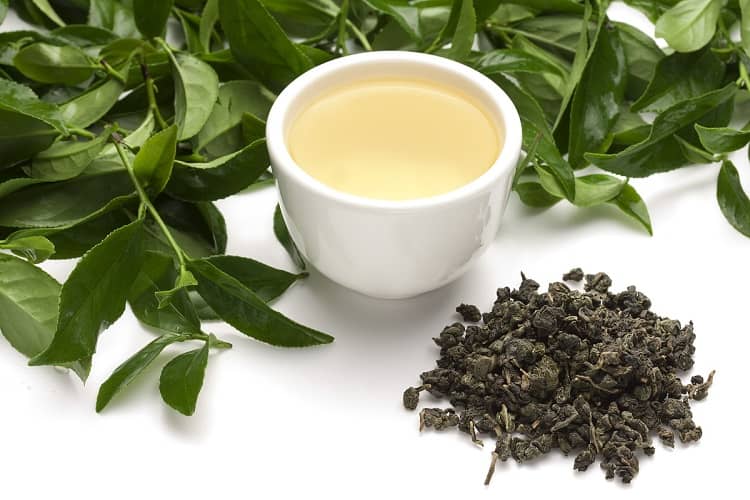
How is oolongtea tea refined?
Oolong tea, like green, white, and yellow tea, is a type of tea that is made from the Camellia sinensis plant. Oolong tea originates from China and Taiwan, and is known for its complex flavor profile, which is somewhere between green and black tea. The basic steps involved in the production of oolong tea are as follows:
- Plucking – The tea leaves are carefully selected for oolong tea, usually from older tea bushes grown in the mountains.
- Withering – The freshly picked tea leaves are left to wither in the sun or indoors for several hours, which removes some of the moisture from the leaves.
- Tossing – The withered tea leaves are then tossed and bruised to release enzymes that will catalyze oxidation.
- Oxidation – The oxidized tea leaves are then spread out to dry and undergo controlled oxidation, which can take anywhere from 12 to 36 hours. Oxidation heightens the intensity of the tea.
- Fixation – To stop the oxidation process, the leaves are heated by either pan-frying or baking them.
- Rolling – The partially oxidized leaves are then rolled into small, tight balls or twists.
- Drying – The rolled and fixed tea leaves are then dried to remove any remaining moisture.
- Roasting – Optional final step for some varieties of oolong tea involves roasting the dry leaves over charcoal to enhance their flavor and aroma.
After the above steps, oolong tea is sorted by size and packed for sale. The amount of oxidation that the tea leaves undergo during processing gives oolong tea its unique flavor profile, which can range from light and floral to fruity and earthy to toasty and full-bodied. The level of oxidation in the tea leaves is what distinguishes oolong tea from other tea types like green, white, and black tea.
Different types of tea have different brewing methods. Each type of tea has its own emphasis on brewing, and learn more about the correct brewing method for oolong tea.
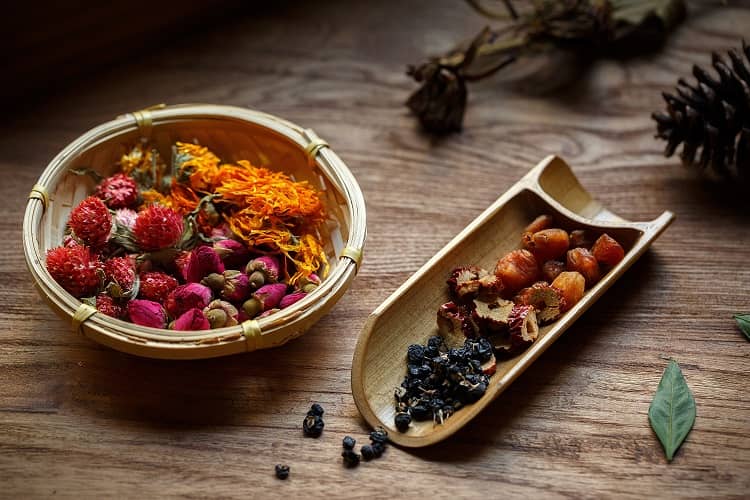
How is Herbal Tea refined?
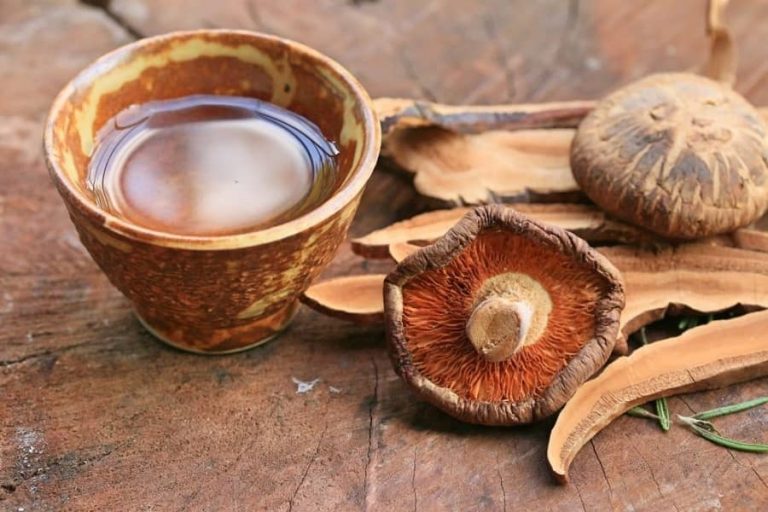
Herbal tea, also known as tisane or infusion, differs from traditional tea in that it is not made from the Camellia sinensis plant. Instead, it is made from the leaves, flowers, stems, shroom and roots of various herbal plants, fruits, and spices. Here are the basic steps involved in making herbal tea:
- Selecting and Harvesting – The raw materials, such as herbs, fruits, and spices, are carefully selected and harvested at the right time for their optimum flavor.
- Cleaning and Preparing – The harvested materials are then washed and prepared by removing stems, buds, and leaves.
- Drying or Dehydration – The prepared ingredients can be dried outdoors or indoors using a dehydrator. In this step, some of the plant’s natural oils and flavors are released.
- Blending – The dried ingredients are blended together to create a unique flavor profile for the herbal tea.
- Infusing – The blended dry ingredients can be steeped in hot water, using a tea infuser, to extract the flavors and infuse the water with the herbs’ aromas.
- Straining – After steeping, the tea is strained to remove any solid remnants of the herbs, fruits, or spices.
- Sweetening – Finally, if desired, sugar or honey can be added to sweeten the herbal tea to taste.
Herbal tea does not undergo oxidation or any other refining process that traditional tea undergoes. It is a caffeine-free alternative to traditional tea, and its flavor and aroma depend on the combination of herbs, fruits, and spices used.
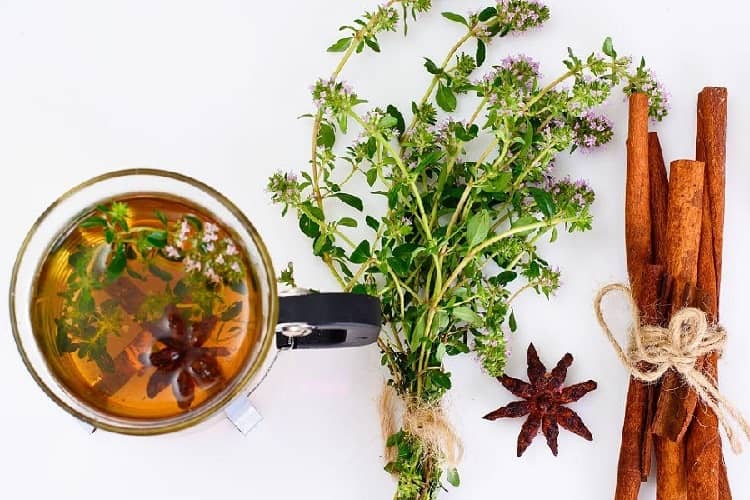
How is Vanilla Tea refined?
Vanilla tea is a type of flavored tea that is made by blending vanilla extract or vanilla beans with tea leaves. Here are the basic steps involved in making vanilla tea:
- Select and Prepare the Tea Leaves– The tea leaves are selected and prepared for blending with vanilla extract or vanilla beans.
- Prepare the Vanilla – The vanilla extract or vanilla bean is prepared by selecting and drying the vanilla beans or the vanilla extract.
- Toast the Vanilla – In some cases, the vanilla beans may be toasted beforehand to enhance their flavor.
- Blend the Vanilla with Tea Leaves – Once the vanilla has been prepared, it is blended with the tea leaves, usually about 1-2 teaspoons of vanilla extract or 1-2 split vanilla beans per cup of tea.
- Let the Mixture Rest – The blended tea mixture is then left to rest for several hours to allow the vanilla to infuse into the tea leaves.
- Brew the Tea – The tea is brewed by steeping the tea mixture in hot water for a few minutes, usually 1-3 minutes, which allows the tea leaves to release their flavors.
- Strain and Serve – After steeping, the tea is then strained to remove the tea leaves and any solid remnants, and then served hot.
Additional sweeteners or milk, honey or sugar can be added to enhance the sweetness or taste of the vanilla tea. Vanilla tea can be made with black tea, green tea, or even herbal teas like rooibos or chamomile.
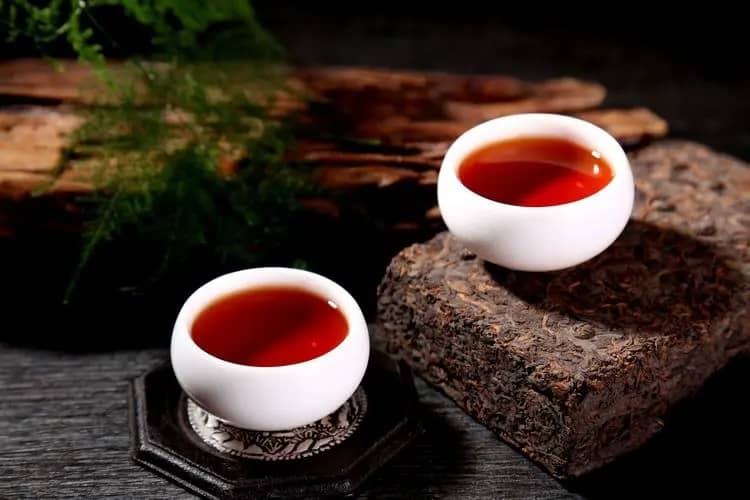
How is Brick Tea refined?
Brick tea is a type of compressed tea that is traditionally consumed in China, Mongolia, Tibet, and other regions of central Asia. Here are the basic steps involved in refining brick tea:
- Picking and Sorting – The raw materials, such as whole tea leaves and stems, are carefully picked and sorted to ensure that only the highest quality leaves are used.
- Withering – The tea leaves are left to wither, which involves spreading them out to reduce the moisture content and make them more pliable.
- Steaming – The withered tea leaves may then be steamed to stop the oxidation process.
- Pressing – The tea leaves may be subjected to a process known as pressing, where they are compressed into large, flat bricks or cakes using heavy weights.
- Aging – The compressed tea is then aged for several months to several years to allow for microbial fermentation that gives it its unique flavor and aroma.
- Finishing and Packaging – After aging, the tea bricks are removed from their molds and then broken into smaller pieces before being packaged for sale.
To prepare brick tea for consumption, the compressed tea bricks are typically shaved into small pieces or powder, which can then be boiled or steeped in hot water. Brick tea is often consumed with salt or butter, and is also used as a key ingredient in various soups and stews.
FAQ about refining tea leaves:
What is withering?
Withering involves laying out the tea leaves to lose moisture, making them more pliable and ready to be rolled.
What is oxidation?
Oxidation is a process that involves exposing the tea leaves to oxygen, which changes their chemical composition and turns them into different types of tea (e.g. black, oolong, green).
What is firing?
Firing involves heating the tea leaves to stop the oxidation process and to remove any remaining moisture.
Can tea leaves be flavored?
Yes, tea leaves can be flavored by adding natural flavorings such as fruits, flowers, or herbs.
How are tea leaves graded?
Tea leaves are graded by size, shape, color, and flavor.
What is the American tea brand with the highest sales of tea leaves?
Based on some online research, some of the most popular tea brands in the United States that are known for offering high-quality tea leaves include Harney & Sons, Tazo, Stash, Bigelow, Red Rose, and Twinings, among others. It’s worth noting that there are many smaller, specialty tea companies and online retailers that offer unique and high-quality tea leaves as well.