Does Sweet Tea Have Caffeine?

Sweet tea can contain caffeine, depending on the type of tea used to make it. Tea naturally contains caffeine, so if a caffeinated tea is used to make sweet tea, then the final product will also contain caffeine. Black tea, which is commonly used to make sweet tea, contains caffeine. However, green tea and herbal tea typically contain less caffeine or none at all. Additionally, some brands of sweet tea available in stores may contain added caffeine, so it’s essential to check the label to determine the caffeine content. If you’re looking for a caffeine-free sweet tea, choosing a herbal tea or a decaffeinated black tea is a good option.
>>>>>Check Keto-Friendly Sweet Hibiscus Lemonade Herbal Tea
Sweet Tea & Caffeine
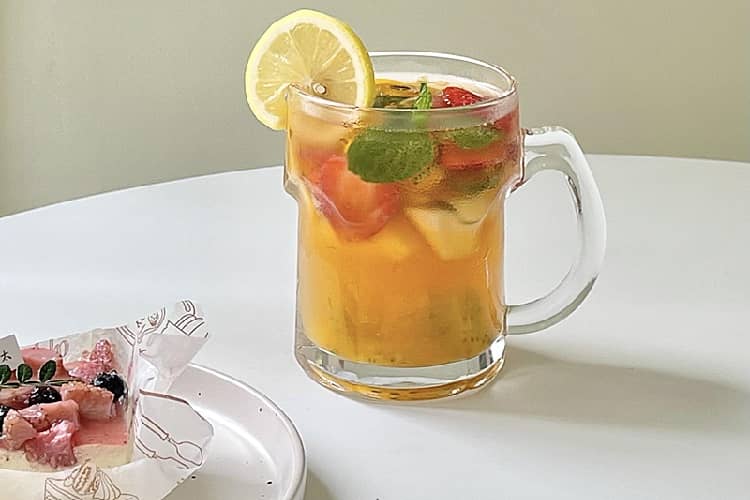
Sweet tea is a beloved southern summer staple that has been enjoyed for generations, especially in the hot and humid summer months of the South. Served over ice with a slice of lemon, sweet tea is a refreshing and satisfying drink that pairs well with all types of southern cuisine. However, in recent times, there have been concerns about the caffeine content of sweet tea, and whether it is healthy to consume large amounts of sweet tea regularly.
In this article, we will explore the caffeine content of sweet tea, along with the types of tea commonly used to make sweet tea, commercially available sweet tea, and alternatives to caffeinated sweet tea.
Tea and Caffeine
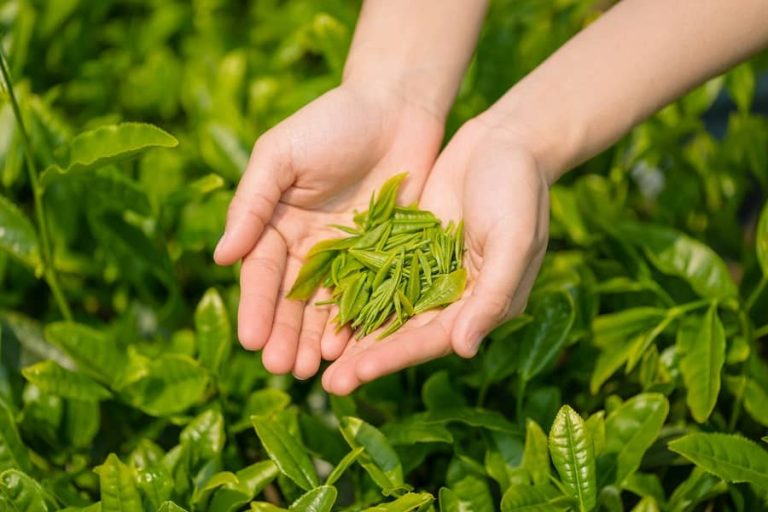
Before we dive into sweet tea’s caffeine content, let’s take a closer look at tea and caffeine. Tea is made from the Camellia sinensis plant and can be classified into five types: black tea, green tea, white tea, oolong tea, and herbal tea. The caffeine content in tea varies depending on the type of tea and the brewing method.
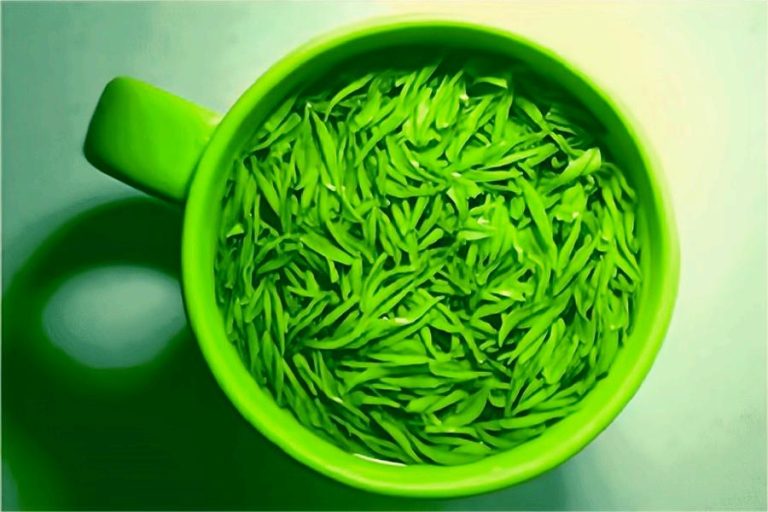
Black tea has the highest caffeine content of all the teas and is used in sweet tea making. Black tea contains approximately 40-80mg of caffeine per 8-ounce (240 ml) serving. On the other hand, green tea contains approximately 30-50mg of caffeine per 8-ounce (240 ml) serving, while white tea contains less than 15mg per serving. Oolong tea is somewhere in between, containing about 30-50mg per serving.
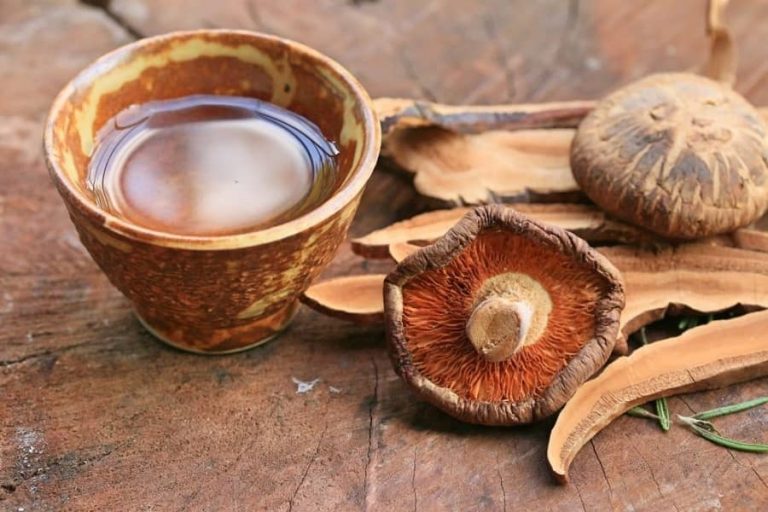
Herbal tea, also known as tisane, is not made from Camellia sinensis and, therefore, does not contain caffeine. Herbal teas are usually made by infusing herbs, fruits, flowers or spices in hot water and can be a great alternative for those who want to avoid caffeine.
Caffeine Content of Sweet Tea
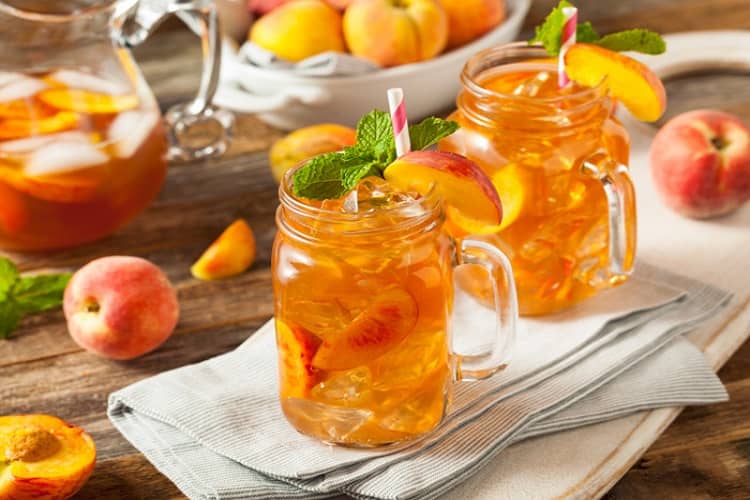
Sweet tea is an easy and delicious way to enjoy tea, but it also contains caffeine if made with black tea, as is most commonly the case. The caffeine content of sweet tea depends on the type of tea used and the brewing method. Black tea, being a caffeinated tea, is the most commonly used tea when making sweet tea in the southern United States.
Most sweet tea recipes call for loose black tea leaves instead of tea bags. If using tea bags, it is best to use 4-6 bags of tea per 2 quarts of water. Loose tea leaves will require about 1 ounce per 2 quarts of water. If you do not have a sweet tea recipe, begin by boiling 2 quarts of water and steeping 1 1/2 cups of sugar and about 1/2-1 cup of loose black tea leaves for 3-5 minutes. This recipe can vary depending on personal taste preference.
The amount of caffeine in sweet tea depends on several factors, such as the type of black tea used, the brewing method, and the ratio of tea to water. The caffeine content in sweet tea can range from 20mg to 80mg per 8-ounce (240 ml) serving, based on the factors mentioned above.
Commercially Available Sweet Tea
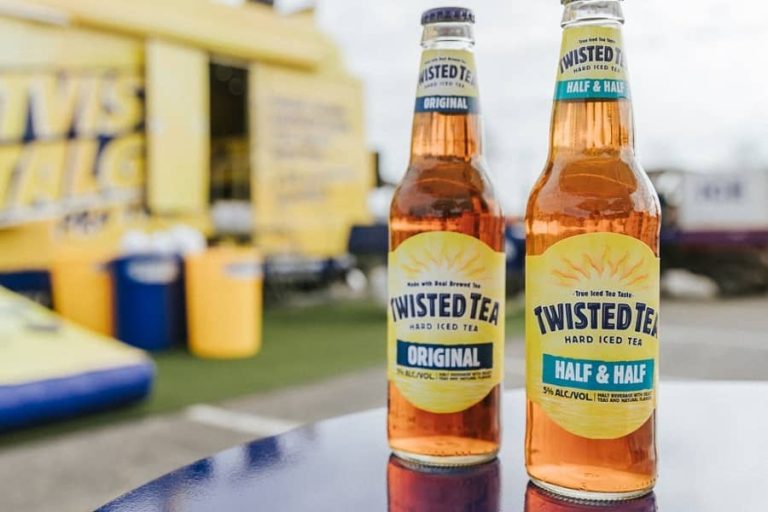
Many people turn to bottled or canned sweet teas for their convenience and ease of availability. However, commercially available sweet tea may contain added caffeine and (or) sugar, which can make them unhealthy if consumed in large amounts. Thus, it is essential to check the label to determine the caffeine content and the sugar content per serving.
Several brands of bottled sweet tea contain varying levels of caffeine that may not be listed on the bottle. Therefore it’s important to understand that just because a tea contains caffeine, it doesn’t mean it was caffeinated to produce it, it can also contain caffeine naturally.
For example, the leading brand of sweet tea, Arizona Sweet Tea, contains 18mg of caffeine per 8-ounce (240 ml) serving, which is quite low compared to other drinks containing caffeine. Lipton Brisk Sweet Tea, also a well-known brand, has significantly more caffeine, with 23mg per serving. Therefore, it’s important to read labels closely while making informed decisions about the amount of caffeine to consume.

Alternatives to Caffeinated Sweet Tea
For those who want to avoid caffeine, herbal tea is an excellent alternative. Herbal teas have natural flavors and are caffeine-free, making them a healthy and delicious alternative to caffeinated sweet tea. They come in various flavors, including lemon, ginger, peppermint, hibiscus, chamomile, and raspberry.
Additionally, for those who want a similar taste but less caffeine, decaffeinated black tea is an excellent alternative to sweet tea. Decaffeinated black tea is made by removing most of the caffeine content, leaving little to no caffeine content. Drinking decaffeinated tea is an excellent alternative to caffeinated tea as it is the same tea without the caffeine content.
Conclusion
Sweet tea is a popular drink in the southern United States and is enjoyed by many worldwide because of its ease of availability and refreshing taste. Black tea, which is commonly used to make sweet tea, contains caffeine, making it essential to consume in moderation. Commercially available sweet tea may have added caffeine and sugar, which can be unhealthy if consumed in large amounts. Herbal tea or decaffeinated black tea is an excellent alternative to caffeinated sweet tea for those who want a similar taste without the caffeine content.
While sweet tea is a great summer drink, reading labels to avoid liberal consumption will ensure you don’t suffer from an overconsumption of caffeine or sugar that can create a slew of problems.